
Do you have a chipped tooth or a gap you’ve been covering in photos? Dental bonding fixes it in one visit: often no drilling, no anesthetic, no lab, no waiting. At Goldstein Dental Center, Dr. Cary Goldstein handles every case personally.
What is Dental Bonding?
Dental bonding is a cosmetic procedure that uses tooth-colored composite resin to repair, reshape, or enhance a tooth. The resin is applied directly to the tooth surface, sculpted by hand, hardened with an LED curing light, and polished to a natural finish. The entire process typically takes 30 to 60 minutes per tooth and produces a result you leave with the same day.
There are two distinct applications. Restorative bonding repairs a tooth: filling a cavity, rebuilding a chip, closing a fracture. Cosmetic bonding improves a tooth’s appearance: reshaping, closing a gap, covering a stain that whitening cannot reach. Both require the same technical precision. Neither requires drilling or anesthesia in most cosmetic cases.
Unlike porcelain veneers, which are fabricated in a dental lab and require a separate fitting appointment, composite bonding is done entirely chairside in a single visit. That makes it faster, significantly less expensive, and fully reversible if your goals or preferences change.
What Dental Bonding Can Fix
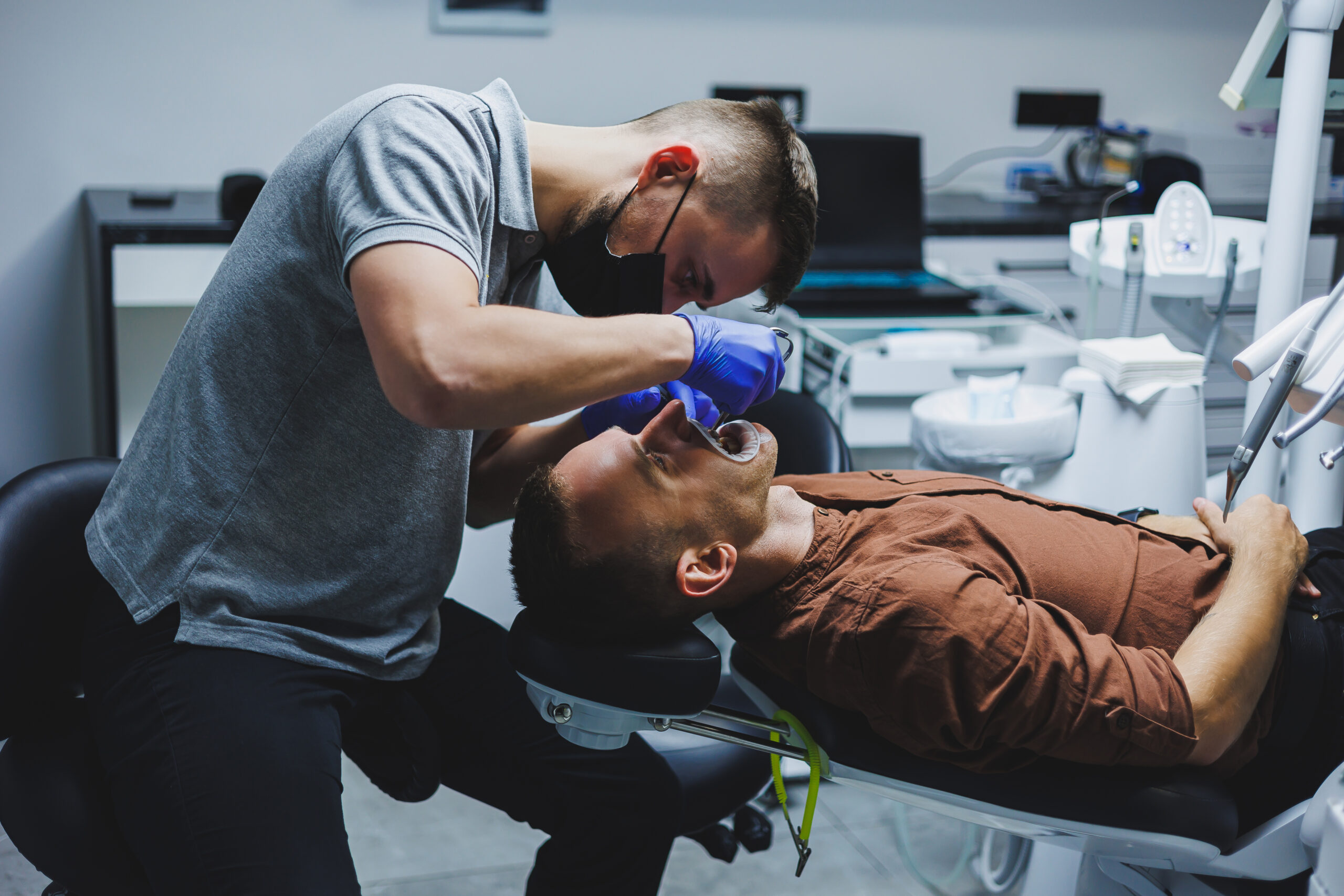
Composite bonding addresses a wider range of cosmetic concerns than most patients expect. At Goldstein Dental Center, we use dental bonding in Atlanta to correct:
- Chipped or cracked teeth
- Small gaps between teeth (diastemas)
- Discoloration and staining that does not respond to whitening
- Teeth that are too short or misshapen
- Exposed tooth roots from gum recession
- Minor crowding or misalignment that does not warrant orthodontic treatment
- Worn enamel on the biting edges of front teeth
Dental bonding is also a practical first step for patients exploring a larger smile transformation. The results are immediate, the commitment is low, and the process gives you a real-world preview of what a more permanent option like veneers or full-mouth reconstruction might accomplish.
Dental Bonding vs. Veneers: Which One Do You Need?
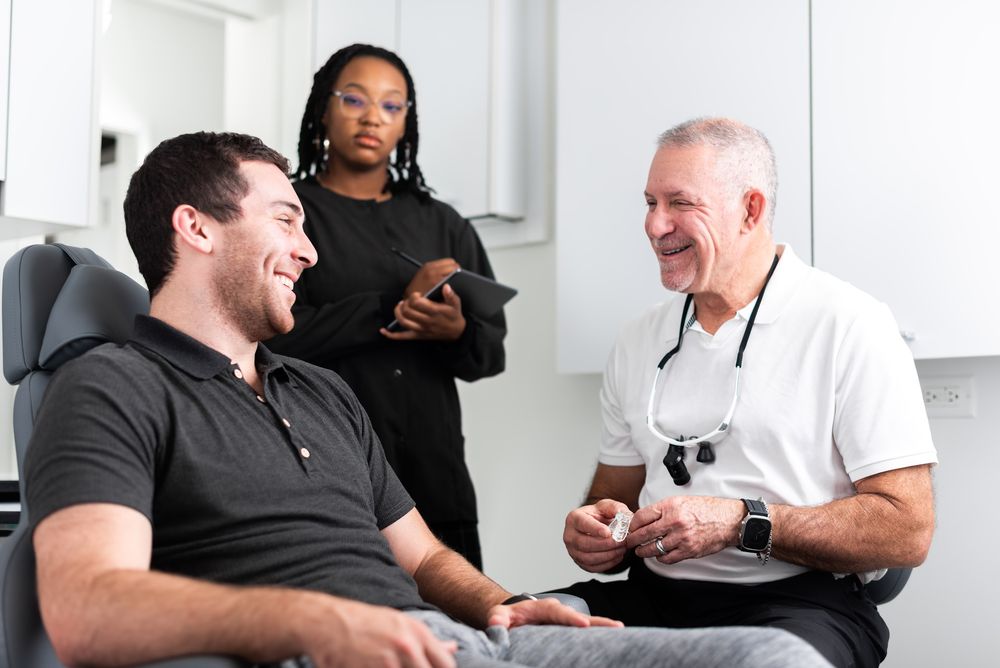
Both procedures improve the appearance of your teeth. The right choice depends on how many teeth are involved, how much change you want to make, and whether permanence matters to you.
Dental bonding is the better choice when the issue is minor: a single chipped tooth, a small gap, a surface stain on one or two teeth. The procedure is fast, requires no enamel reduction, and is fully reversible. The trade-off: composite resin is more porous than porcelain and will absorb stain over time, typically requiring touch-ups every 6 to 10 years.
Porcelain veneers are the right call when you are addressing multiple teeth, want long-term stain resistance, or are pursuing a comprehensive smile redesign. Veneers may involve a thin layer of enamel reduction and are considered a permanent commitment to the treatment. The results last 15 to 30 years with proper care and hold their appearance significantly better than composite over the long term.
If you are not sure which option fits your situation, a consultation will give you a direct answer. We will assess your teeth, discuss your goals, and give you a clear recommendation. Goldstein Dental Center offers both treatments under one roof.
The Dental Bonding Procedure at Goldstein Dental Center
The procedure follows five steps, most of which take less time than patients expect.
Shade Selection
Dr. Goldstein selects a composite resin shade that matches and complements the natural color of your existing teeth. The match is made in natural light, not fluorescent overhead lighting, for a result that looks correct in the world you actually live in.
Tooth Preparation
For most cosmetic bonding cases, no drilling is required. The tooth surface is lightly conditioned with an etching solution that creates a micro-textured surface for the resin to grip. This step takes seconds and causes no discomfort.
Resin Application
The composite is applied in thin layers, shaped by hand to match the natural contours of your tooth. This is the step that separates a good result from a great one. The shaping is done freehand, and it requires both technical precision, an understanding of proportion and an artistic eye. There is no mold, no template. The result reflects the skill of the person holding the instrument.
Curing
Each layer is hardened using an LED curing light. The process takes seconds per layer and locks the material in place. Once cured, the composite is as hard as it will get.
Finishing and Polish
Once all layers are cured, the tooth is shaped, bite-checked, and polished to a smooth, natural surface. Any high spots in the bite are adjusted. You leave with the final result. No second appointment required.

How to Care for Your Bonding Results
Composite resin is durable, not indestructible. A few consistent habits extend your results considerably.
Brush twice daily and floss every day. Bonded teeth respond to oral hygiene the same way natural teeth do. Neglect accelerates staining and margin breakdown.
Avoid biting hard objects. Ice, pen caps, fingernails, bottle caps, and hard candy can chip the resin. Front teeth are especially vulnerable because they bear lateral forces they were not designed to handle.
Limit staining foods and drinks. Coffee, red wine, tea, and dark berries stain composite faster than natural enamel. Smoking discolors resin faster than almost anything else. Rinsing with water after consuming staining foods and drinks slows the process.
Keep your six-month appointments. Routine cleanings remove surface stain and let us check the margins of any bonded teeth. Catching a small breakdown early means a simple touch-up rather than a full redo. Composite bonding, well maintained, typically lasts six to ten years before it needs refreshing.
Why Goldstein Dental Center for Dental Bonding in Atlanta?
Most practices treat bonding as a routine procedure. In straightforward cases, it is. But composite bonding is technique-sensitive in a way that isn’t obvious from the outside. The resin is applied freehand. There is no impression, no outsourced lab, no standardized template. The result reflects the judgment, skill and artistry of the clinician shaping the material in the chair.
Dr. Cary Goldstein is a prosthodontist and third-generation dentist who has spent his career at the highest levels of cosmetic dentistry. He served as International President of the American Academy of Esthetic Dentistry in 2021: the world’s invitation-only organization of the leading cosmetic dental practitioners and educators. That title is not purchased with a membership fee. It is earned through demonstrated clinical excellence, peer recognition, and a documented commitment to advancing the field.
His peers have voted him Top Dentist in Atlanta every year since 2017. That is not a self-reported award. It is a peer nomination, which means the dentists who know what good looks like chose him.
Since 2022, Dr. Goldstein has served as a dental expert witness in litigation. Courts appoint expert witnesses to establish the standard of care. That is what he represents to the legal system, and it is the same standard that applies in the operatory.
He has delivered more than 100 lectures on esthetic and minimally invasive dentistry to dental audiences around the world, and is recognized as a key opinion leader in minimally invasive veneer techniques. The thinking behind how these procedures should be done, he has helped shape.
That standard shapes the work at Goldstein Dental Center across every procedure, including ones that are commonly treated as quick fixes. This is a single-location practice in Buckhead. When you come in for bonding, you are seen by Dr. Goldstein or Dr. Sheryl Wait. You are not rotated through a staff roster optimized for volume. That continuity matters, particularly when the result is visible every time you open your mouth.
The office offers complimentary nitrous oxide at every appointment, cleanings included. There is a monitor mounted in the ceiling with wireless headphones. Not a spa, but a comfortable room where careful work gets done on a relaxed patient.
Three generations of Goldstein dentists have been practicing in Atlanta for more than 80 years. That is not a legacy claim. It is a track record.
Frequently Asked Questions About Dental Bonding
How long does the dental bonding procedure take?
Most single-tooth bonding appointments take 30 to 60 minutes, chairside. If you are having multiple teeth treated in one visit, expect additional time per tooth. There is no second appointment. You leave with the finished result the same day. We will give you a time estimate at your consultation once we know the full scope of what we are doing.
How long does dental bonding last?
With proper care, composite bonding typically lasts between six and ten years before it needs refreshing. The range depends on the location of the bonding, your bite habits, and how consistently you protect the resin from hard foods, staining drinks, and smoking. Front teeth used for biting may need touch-ups sooner than bonding on less-stressed surfaces. Regular six-month check-ups let us catch any marginal breakdown early and address it before it becomes a larger repair.
How much does dental bonding cost per tooth?
The cost of dental bonding ranges from $85 to $1,500 per tooth depending on the complexity of the case. Bonding is significantly less expensive than porcelain veneers. We will give you a clear, itemized estimate at your consultation. For patients who prefer to spread the cost over time, we offer financing options.
Is dental bonding covered by insurance?
When bonding is used for restorative purposes, such as repairing a chipped or fractured tooth or filling a cavity, it is often partially covered by dental insurance. Purely cosmetic bonding, such as closing a gap or correcting discoloration, is typically not covered. Dr. Wait is in-network with select insurance plans; Dr. Goldstein accepts most insurance as an out-of-network provider. Our team will review your coverage before any work begins so you know exactly what to expect.
Does dental bonding hurt?
No. For most cosmetic bonding cases, no anesthesia is needed. The tooth surface is lightly conditioned rather than drilled, and most patients report no discomfort during the procedure. If bonding is being used to fill a cavity or treat a tooth with active decay, a local anesthetic may be used.
Can I eat and drink normally after dental bonding?
Yes, with a short window of care. For the first 48 hours, avoid heavily pigmented foods and drinks: coffee, red wine, dark berries, and similar. This gives the composite time to fully set and reach its final color. After that, there are no long-term dietary restrictions. One habit worth keeping indefinitely: avoid biting directly into hard objects with the bonded tooth. That applies whether the bonding is one day old or five years old.
Can bonded teeth be whitened?
Composite resin does not respond to whitening treatments. If you want whiter teeth, the sequence matters: whiten your natural teeth first, then match the composite resin to your new shade when the bonding is applied. If you already have bonded teeth and want to whiten, we can discuss replacing the existing resin to match your whitened enamel. This is worth thinking through before treatment begins, and it’s exactly the kind of conversation we have during a consultation.
How is dental bonding different from veneers?
Dental bonding uses composite resin applied directly to the tooth chairside in a single visit, with no enamel removal. Porcelain veneers are thin ceramic shells fabricated in a dental lab and bonded over a thin layer of prepared enamel, making them a permanent commitment. Bonding is faster, less expensive, and reversible. Veneers last longer, resist staining better, and are better suited when multiple teeth need comprehensive improvement. Both are available at Goldstein Dental Center. A consultation will tell you which makes sense for your situation.
Our patients us in
Metro Atlanta
Schedule Your Consultation
Three generations of cosmetic dentistry. One Buckhead practice. Dr. Cary Goldstein and Dr. Sheryl Wait see new patients for dental bonding consultations at Goldstein Dental Center on Roswell Road in Atlanta.
Serving patients in Atlanta, Buckhead, Sandy Springs, Brookhaven, Dunwoody, and the northeast Atlanta metro.